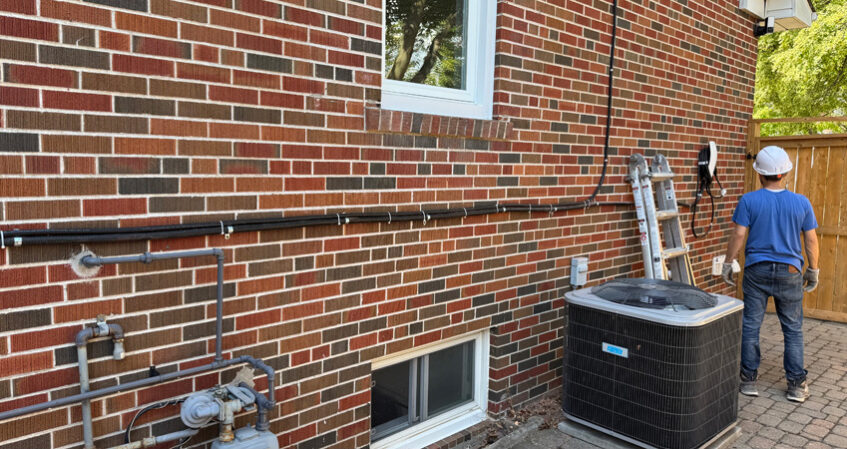
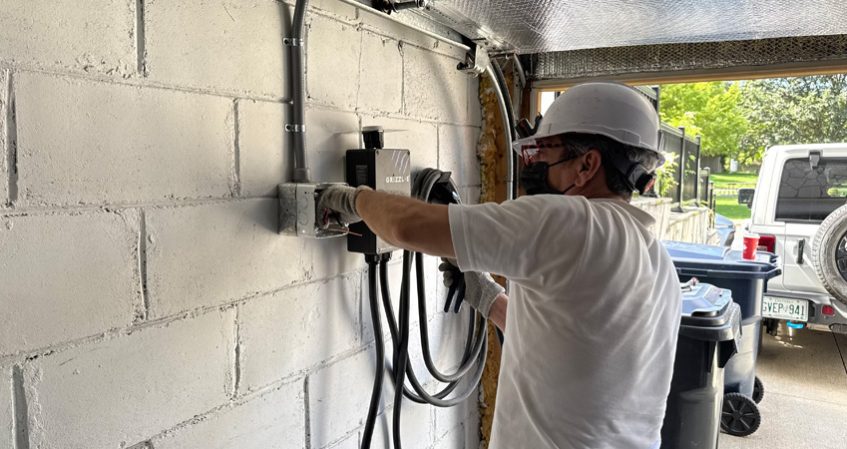
As electric vehicles become more popular across Canada, many homeowners are considering installing a home EV charger in Markham neighbourhood for the convenience and reliability it offers. Charging an electric vehicle at home saves time, eliminates the need for public charging stations, and ensures your vehicle is ready for your daily commute. However, before installing an EV charger, your home’s electrical system must be properly evaluated and prepared to handle the additional load.
Setting up a home charging station involves more than simply mounting the charger on the wall. It requires understanding your home’s electrical capacity, compliance with safety codes, and proper installation to avoid risks such as electrical overload, fire hazards, or equipment malfunction. This detailed guide explains everything you need to know to prepare your electrical system for an EV charger, ensuring safe, efficient, and long-lasting performance.
Why Proper Preparation Matters
Electric vehicles draw significant amounts of electricity while charging, especially Level 2 chargers, which are the most common option for homes. These chargers typically require a dedicated 240V circuit and can draw up to 40 amps or more. Without proper preparation, plugging in an EV charger can strain your home’s electrical panel or wiring, leading to tripped breakers, overheating, or even electrical failure.
By preparing your electrical system beforehand, you ensure your home is capable of supporting the charger safely and efficiently. This preparation also extends the lifespan of the charger and ensures consistent charging performance.
Understanding the Different Types of EV Chargers
Before upgrading your electrical system, it helps to understand the charger types and their requirements.
Level 1 Chargers
A Level 1 charger plugs into a standard 120V household outlet. These chargers are slow, often providing only 5–8 kilometres of range per hour of charging, making them best suited for drivers with very short daily commutes. They usually do not require electrical upgrades, but the circuit must still be inspected to ensure it can handle continuous usage.
Level 2 Chargers
Most homeowners choose Level 2 chargers because they offer 4–6 times faster charging than Level 1 units. A Level 2 charger requires:
- a 240V dedicated circuit
- a 30A to 60A breaker
- appropriate wiring and grounding
Because Level 2 chargers significantly increase electrical demand, homes often need electrical panel upgrades or wiring improvements to support them.
Step 1: Assess Your Current Electrical Panel Capacity
Your electrical panel is the heart of your home’s power system, distributing electricity throughout the property. To install a Level 2 charger, your panel must have enough available capacity.
Check Available Amperage
Most Canadian homes have a 100A or 200A service panel. EV chargers typically require 40A or more, depending on the model.
A licensed electrician will calculate your home’s existing electrical load, including:
- heating and cooling systems
- appliances
- lighting
- outlets
- other high-demand devices
This load calculation determines whether your panel can safely support an EV charger without overloading.
When a Panel Upgrade Is Needed
If your panel is older or has limited amperage, you may need a service upgrade—from 100A to 200A, or even 400A for larger homes. This ensures the system can handle the EV charger along with the home’s daily electrical usage.
Upgrading today can also prepare your home for future electrical demands, including additional EVs or renewable energy systems.
Step 2: Evaluate Your Home’s Wiring and Circuits
Even with a suitable panel, your home’s wiring must be able to support EV charging. Older homes—even those built 30 or 40 years ago—may not meet modern electrical standards.
Key Wiring Considerations
- Wire gauge: EV chargers require thicker wiring to safely carry higher electrical loads.
- Condition of wiring: Damaged or outdated wiring can overheat.
- Grounding: Proper grounding ensures safe operation and protects your EV from electrical faults.
A full electrical inspection helps identify any issues that could compromise charger performance or safety.
Step 3: Choose the Right Location for Your EV Charger
Placement of your EV charger is important for convenience and safety. Most homeowners install chargers in their garage or on an exterior wall close to the driveway.
Ideal Charger Location Features
- close proximity to your electrical panel
- protected from direct weather exposure
- adequate space for the charging cable
- easy access for daily use
Installing the charger near the panel often reduces installation costs by minimizing wiring length.
If you drive multiple EVs or plan to add another one later, it may be worth considering dual charging stations or additional circuits.
Step 4: Install a Dedicated 240V Circuit
A Level 2 EV charger requires a dedicated circuit that is used exclusively by the charger. This helps prevent overloads and ensures consistent performance.
Circuit Requirements
- 240V outlet or hardwired connection
- a breaker sized appropriately for the charger
- wiring that complies with Canadian Electrical Code standards
Dedicated circuits protect both your vehicle and your home from electrical hazards.
Step 5: Ensure Compliance With Local Electrical Codes
EV charger installation must comply with provincial and municipal safety codes. Requirements may vary depending on location, type of charger, and age of your electrical system.
Why Code Compliance Is Critical
- ensures safe operation
- reduces the risk of electrical shock or fire
- protects home insurance coverage
- avoids fines or inspection failures
Only a licensed electrician should handle EV charger installations. DIY installation isn’t recommended, as mistakes can be dangerous and costly.
Step 6: Consider Surge Protection and Safety Upgrades
Adding an EV charger increases the electrical load on your home, which makes additional safety upgrades important.
Recommended Safety Enhancements
- Whole-home surge protection: protects the charger and vehicle from voltage spikes
- GFCI protection: helps prevent electrical shock
- Breaker upgrades: ensures consistent and reliable power delivery
- Arc-fault protection: especially important in older homes
These enhancements improve system reliability and protect your investment.
Step 7: Decide Whether to Hardwire or Use a Plug-In Charger
Most Level 2 chargers can be either plug-in or hardwired.
Hardwired Chargers
- ideal for long-term installation
- required for higher amperage models
- better weather protection outdoors
Plug-In Chargers
- easier to replace or upgrade
- ideal for temporary setups
- must use the correct outlet type (NEMA 14-50, etc.)
Your electrician can advise which option is best based on your panel capacity and installation environment.
Step 8: Prepare for Possible Utility Service Upgrades
In some cases, your local utility provider may need to upgrade the service line connected to your home. This is more common in older neighbourhoods where infrastructure wasn’t designed for modern electrical demands.
Upgrading service lines can improve electrical stability and ensure long-term safety.
Step 9: Schedule a Professional Installation
Once your home’s electrical system is evaluated, upgraded, and ready, the final step is scheduling the installation. A certified electrician will:
- mount the EV charger
- install the dedicated circuit
- test the wiring and connections
- verify grounding
- ensure the system meets safety standards
Professional installation guarantees your charger will perform properly and reduces the risk of electrical hazards.
Step 10: Test and Monitor Your EV Charger After Installation
After installation, you should monitor your charger’s performance during the first few weeks.
Signs of a Proper Installation
- no burning smells
- no buzzing or humming from the panel
- stable charging times
- no tripped breakers
- charger and cables remain cool
If you notice any issues, contact your electrician immediately for an evaluation.
Benefits of Proper Electrical Preparation
Preparing your electrical system for an EV charger provides several long-term advantages:
- safe, reliable charging
- optimized charging speeds
- longer lifespan for the charger
- reduced risk of electrical hazards
- compliance with insurance and warranty requirements
- future-proofing your home for new technology
Investing in proper preparation ensures your EV ownership experience is smooth and stress-free.
Future Considerations: Preparing for Multiple EVs
As more families begin owning more than one electric vehicle, planning ahead is becoming important. If you expect to add another EV in the coming years, consider installing:
- a higher-amperage panel
- dual charging circuits
- load management systems
Smart charging technology can also help distribute power efficiently without overloading your system.
Contact SiteTech Electrical for Expert EV Charger Installation
Ready to install a home EV charger or upgrade your electrical system for safe, efficient charging? Our certified electricians at SiteTech Electrical have the experience and expertise to ensure your setup meets all safety standards, supports your charger’s power needs, and delivers long-term reliability. Whether you need a panel upgrade, dedicated circuit installation, or a complete electrical assessment, we’re here to help you transition smoothly to electric vehicle ownership.
📞 Call us today at 647-939-3239 to schedule your EV charger assessment or installation.