As electric vehicles continue to gain popularity across residential and commercial markets, EV charger installation has become an essential electrical service. One of the most common questions property owners ask before installing a charger is whether it should be placed indoors or outdoors. While both options can effectively power an electric vehicle, the right choice depends on several factors including property layout, electrical capacity, climate, usage patterns, and long-term goals.
For homeowners, business owners, and property managers alike, understanding the differences between indoor and outdoor EV charger installation in Vaughan neighbourhood can help ensure safety, convenience, compliance, and long-term performance. This guide explores both options in detail, highlighting the advantages, challenges, and key considerations to help you make an informed decision.
Understanding EV Charger Installation Basics
Before comparing indoor and outdoor installations, it’s important to understand what an EV charger installation typically involves. Most residential and light commercial projects use Level 2 chargers, which operate on a 240-volt circuit and significantly reduce charging time compared to standard outlets. Installing these chargers often requires electrical panel evaluation, load calculations, permitting, and adherence to national and local electrical codes.
The location of the charger directly affects installation complexity, cost, and usability. Factors such as distance from the electrical panel, wall structure, exposure to weather, and access to parking all play a role in determining the best placement.
Indoor EV Charger Installation Overview
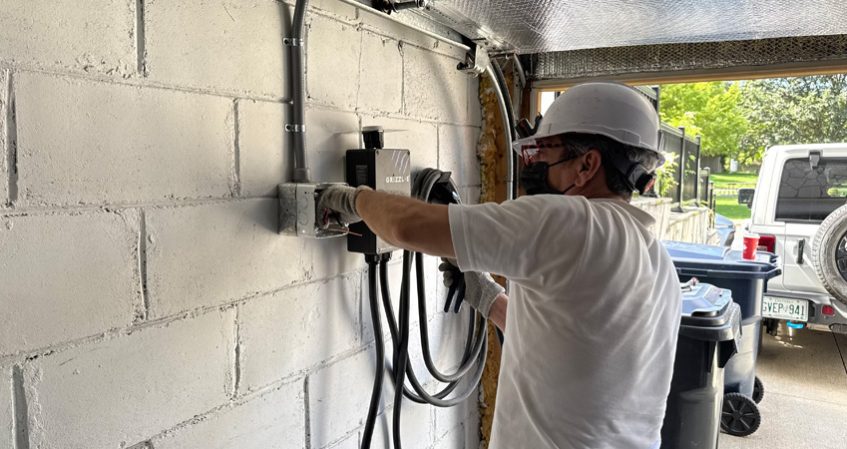
Indoor EV chargers are commonly installed in garages, carports, warehouses, or enclosed parking structures. This option is popular for residential properties with attached or detached garages, as well as commercial facilities with controlled indoor parking.
Advantages of Indoor EV Charger Installation
One of the primary benefits of installing an EV charger indoors is protection from environmental elements. Chargers installed in enclosed spaces are shielded from rain, snow, ice, dust, and extreme temperatures. This reduced exposure can help extend the lifespan of the charger and minimize wear on components such as cables and connectors.
Indoor installations also offer enhanced security. Chargers located inside a garage or secured facility are less vulnerable to vandalism, accidental damage, or unauthorized use. This can be especially important for businesses managing fleet vehicles or homeowners investing in high-end charging equipment.
Another advantage is ease of access to electrical infrastructure. Electrical panels are often located inside the building, which can reduce wiring distances and labor costs. Shorter conduit runs typically mean a more straightforward installation and potentially lower overall project costs.
Indoor installations also provide convenience and comfort. Charging indoors allows vehicle owners to plug in regardless of weather conditions, making daily charging routines more pleasant and reliable.
Challenges of Indoor EV Charger Installation
Despite its benefits, indoor EV charger installation is not always feasible or ideal. Space limitations can be a concern, particularly in smaller garages where wall space is already limited or where vehicles are parked close together. Adequate clearance is required to safely mount the charger and allow for cable management.
Ventilation can also be a factor. While modern EV chargers produce minimal heat, enclosed spaces must still meet safety requirements. In rare cases, upgrades to ventilation or fire safety systems may be necessary, particularly in commercial or multi-unit residential buildings.
Another consideration is building structure. Concrete walls, finished interiors, or historical buildings may require additional labor or specialized mounting solutions, increasing installation complexity.
Outdoor EV Charger Installation Overview
Outdoor EV charger installations are commonly used when indoor space is unavailable or impractical. They are frequently installed on exterior walls, parking lot pedestals, driveways, or standalone posts. This option is especially common for commercial properties, apartment complexes, and homes without garages.
Advantages of Outdoor EV Charger Installation
Outdoor installation offers greater flexibility in placement. Chargers can be installed close to driveways, parking spaces, or fleet vehicle areas, reducing the need for long charging cables or vehicle repositioning. This is particularly beneficial for properties with multiple EVs or shared parking.
Outdoor chargers also make EV charging accessible to a wider range of users. For businesses, this can support employee charging programs or customer amenities. For multi-family properties, outdoor installations often provide a practical solution where individual indoor chargers are not feasible.
Modern outdoor-rated EV chargers are designed to withstand harsh environmental conditions. Many units feature weatherproof enclosures, sealed connectors, and temperature-resistant components, ensuring reliable performance year-round.
Outdoor installations may also simplify future expansion. Adding additional chargers in a parking lot or along an exterior wall can be more straightforward than modifying indoor spaces, especially as EV adoption increases.
Challenges of Outdoor EV Charger Installation
Exposure to weather is the most significant challenge for outdoor EV chargers. Rain, snow, ice, heat, and direct sunlight can impact equipment over time. While outdoor-rated chargers are built for these conditions, they may still require more frequent inspections and maintenance.
Security is another concern. Outdoor chargers may be more susceptible to vandalism, accidental damage from vehicles, or unauthorized use. Protective measures such as bollards, locking mechanisms, and surveillance may be necessary, particularly in public or high-traffic areas.
Installation costs can also be higher in some cases. Outdoor installations may require trenching, longer conduit runs, concrete work, or dedicated mounting structures. These additional steps can increase labor and material expenses compared to indoor installations.
Key Factors to Consider When Choosing Indoor vs. Outdoor
Choosing between indoor and outdoor EV charger installation requires careful evaluation of several factors unique to your property and usage needs.
Electrical Panel Capacity and Location
The location of your electrical panel plays a major role in determining installation feasibility and cost. Chargers installed closer to the panel typically require less wiring and labor. If your panel is indoors near a garage, an indoor installation may be more cost-effective. If the panel is located far from parking areas, an outdoor installation may make more sense.
Climate and Environmental Conditions
Local climate should strongly influence your decision. In regions with extreme heat, cold, or heavy precipitation, indoor installations offer greater protection and reliability. In milder climates, outdoor installations can perform just as effectively when properly rated and installed.
Usage Patterns and Convenience
Consider how often and when the vehicle will be charged. Homeowners who charge overnight may prefer indoor installations for ease and comfort. Businesses with daytime charging needs or fleet operations may benefit from outdoor chargers located near parking areas for quick access.
Property Type and Future Needs
Single-family homes, multi-unit residences, and commercial properties all have different requirements. For homeowners planning to stay long-term, investing in an indoor charger may offer better longevity. For businesses anticipating EV growth, outdoor installations may allow for easier scalability.
Safety and Code Compliance
Both indoor and outdoor installations must comply with electrical codes, local regulations, and manufacturer requirements. This includes proper grounding, circuit protection, mounting height, and clearance. Working with a licensed electrical contractor ensures that all safety standards are met regardless of location.
Cost Comparison and Long-Term Value
While upfront costs vary, it’s important to consider long-term value. Indoor installations may have lower maintenance costs due to reduced exposure, while outdoor installations may provide greater flexibility and accessibility. Evaluating total cost of ownership helps determine the best return on investment.
Professional Installation Matters
Whether you choose an indoor or outdoor EV charger installation, professional installation is essential. Licensed electricians assess electrical capacity, ensure code compliance, obtain permits, and install equipment safely and efficiently. Improper installation can lead to performance issues, safety hazards, or voided warranties.
Professional installers also help select the right charger for your environment, recommend protective measures, and plan for future upgrades. This expertise ensures your EV charging system remains reliable and adaptable as technology and needs evolve.
Making the Right Choice
There is no one-size-fits-all answer to the indoor versus outdoor EV charger installation debate. Each option offers unique advantages and challenges, and the right choice depends on your property layout, lifestyle, budget, and long-term plans.
Indoor installations provide protection, security, and convenience, making them ideal for garages and enclosed spaces. Outdoor installations offer flexibility, accessibility, and scalability, making them well-suited for properties without garages or with shared parking needs.
By carefully evaluating your specific circumstances and working with an experienced electrical contractor, you can choose an EV charger installation solution that meets your needs today and supports the growing demand for electric vehicles in the future.